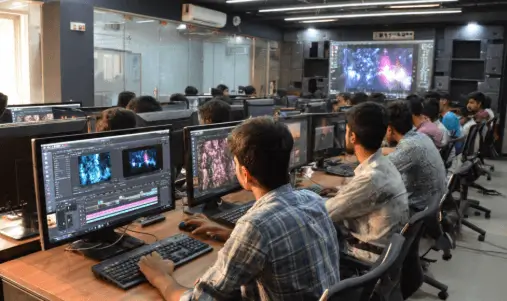
Visual effects (VFX) training in India has evolved significantly over the past decade, moving from basic software instruction to structured, industry-aligned education. As content production expands across films, streaming platforms, advertising, and gaming, institutes are expected to deliver training that reflects real production workflows and prepares students for professional roles.
The global visual effects segment generated $4,771.8 million in revenue in 2023 and is projected to reach $11,924.8 million by 2030, reflecting strong demand across film, streaming, and digital production. This growth highlights the importance of structured training that builds both technical and practical skills.
For students evaluating their options, exploring programs such as the VFX training institute in India can provide an initial understanding before comparing course structures in detail.
This guide explains how VFX training institutes in India structure their courses and what students should look for when choosing the right program.
Understanding How VFX Course Structures Work
VFX training is typically divided into multiple stages, each focusing on specific skills and concepts. A well-designed course structure ensures that students progress from foundational knowledge to advanced techniques in a logical and practical manner.
Unlike unstructured programs, professional institutes follow a step-by-step approach where each stage builds on the previous one. This helps students develop confidence and avoid gaps in learning.
A structured course also ensures that students gain exposure to the entire production pipeline, which is essential for working in real-world environments.
Core Stages in VFX Course Structures
Most VFX training programs are organized into distinct stages that guide students through their learning journey.
Foundation Stage
The foundation stage focuses on introducing students to the basic principles of VFX and visual storytelling. This stage is critical for building a strong base before moving on to advanced techniques.
Students typically learn:
- Basic design and composition
- Introduction to VFX concepts
- Understanding motion and timing
- Familiarity with basic tools
This stage helps students develop a clear understanding of how visual effects work.
Intermediate Stage
The intermediate stage focuses on developing technical skills and applying concepts through practical work. Students begin working on more complex tasks and gain exposure to production workflows.
Key areas include:
- Compositing and layering techniques
- Green screen keying and cleanup
- Introduction to simulation effects
- Lighting and rendering basics
At this stage, students start working on projects that require multiple steps and coordination.
Advanced Stage
The advanced stage focuses on refining skills and preparing students for professional roles. Students work on complex projects that simulate real production environments.
This stage includes:
- Advanced compositing and visual integration
- Simulation of natural elements such as fire, smoke, and water
- High-quality rendering techniques
- Multi-stage project execution
Students are expected to deliver polished outputs and maintain consistency across projects.
Role of Project-Based Learning in Course Structure
Project-based learning is a central component of VFX training. It allows students to apply their knowledge in practical scenarios and develop problem-solving skills.
Institutes that emphasize project-based learning provide:
- Real-world assignments that simulate production tasks
- Multi-stage workflows involving different aspects of VFX
- Iterative feedback cycles to improve output quality
- Portfolio-focused projects that showcase skills
This approach ensures that students gain hands-on experience and build strong portfolios.
Importance of Software Training in VFX Courses
Software training is an essential part of VFX education, but it must be integrated into a broader learning framework. Students should not only learn how to use tools but also understand how to apply them effectively.
Common software used in VFX training includes:
- Nuke
- Houdini
- Autodesk Maya
- Adobe After Effects
Institutes that provide hands-on experience with these tools prepare students for real production environments.
Understanding Production Pipelines in Course Design
A key feature of structured VFX courses is the integration of production pipeline learning. Students must understand how different stages of production interact and how their work contributes to the final output.
They learn how:
- Assets are created and managed
- Effects are integrated into footage
- Final outputs are rendered and refined
This knowledge helps students work efficiently and collaborate with teams.
Industry Demand for Structured VFX Training
As the VFX industry grows, the demand for structured training programs continues to increase. Studios are looking for professionals who can work within production pipelines and deliver high-quality results.
India’s digital content ecosystem is expanding rapidly, driven by streaming platforms, gaming, and online media, which is increasing the need for skilled VFX professionals. This growth highlights the importance of well-structured training programs.
Students who complete structured courses are better prepared to meet industry expectations and secure job opportunities.
How to Evaluate Course Structure Effectively
Choosing the right VFX institute requires careful evaluation of the course structure. Students should focus on how well the program is organized and whether it supports progressive learning.
Key factors to consider:
- Stage progression: Does the course move logically from basic to advanced levels?
- Project integration: Are projects included at every stage?
- Skill development: Does each stage build on previous learning?
- Industry alignment: Are techniques and tools up to date?
These factors help determine the effectiveness of the course.
Role of Faculty in Delivering Structured Learning
Faculty members play an important role in implementing the course structure effectively. Experienced instructors ensure that students understand concepts and apply them correctly.
Look for faculty who:
- Have industry experience
- Provide practical insights
- Offer detailed feedback
Strong mentorship improves learning outcomes and helps students progress smoothly.
Infrastructure and Learning Environment
The quality of infrastructure affects how well course structures can be implemented. VFX training requires access to advanced systems and tools.
Students should evaluate whether the institute provides:
- High-performance computer systems
- Licensed software access
- Dedicated VFX workstations
- Reliable rendering capabilities
A strong learning environment supports effective training.
See also: The Evolution of Technology: How Innovation Is Shaping the Future
Common Mistakes When Evaluating Course Structure
Students often overlook important aspects when comparing institutes.
Avoid:
- Choosing courses based only on duration
- Ignoring project work
- Overlooking curriculum depth
- Not reviewing course progression
These mistakes can lead to gaps in learning.
Tips for Maximizing Learning Through Course Structure
Students can improve their outcomes by actively engaging with the course structure.
Focus on:
- Completing projects thoroughly
- Practicing regularly
- Seeking feedback
- Revisiting concepts when needed
A structured approach to learning helps build strong skills.
Balancing Technical Skills and Conceptual Understanding
VFX training requires a balance between technical skills and conceptual knowledge. Students must understand how effects work while also being able to execute them accurately.
Developing:
- Technical proficiency
- Conceptual clarity
- Attention to detail
- Problem-solving skills
ensures long-term success.
Final Thoughts
VFX training institutes in India vary significantly in how they structure their courses. Students should prioritize institutes that offer clear progression, project-based learning, and strong industry alignment.
By choosing programs with well-designed course structures and committing to consistent practice, students can build the skills needed to succeed in a competitive and evolving VFX industry.