Introduction
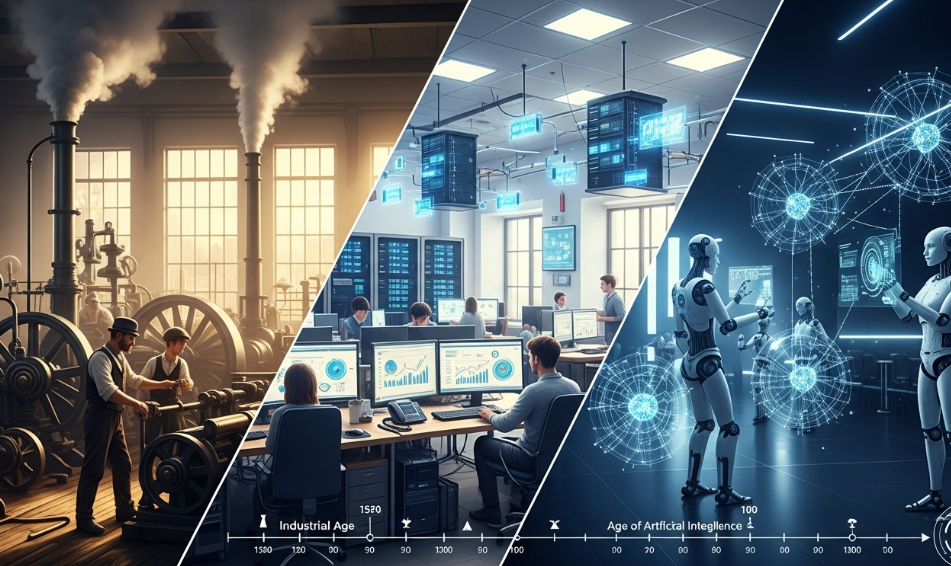
The evolution of technology has played a major role in shaping human civilization. From simple tools made of stone to advanced artificial intelligence systems, technology has continuously changed the way people live, work, and communicate. In today’s fast-moving digital age, innovation is not just improving life—it is redefining the future. Understanding the evolution of technology helps us prepare for upcoming changes and make better decisions in a technology-driven world.
Early Stages of Technological Evolution
Technology began with basic human needs. Early humans created tools for hunting, farming, and shelter. The invention of the wheel, fire, and simple machines marked the foundation of technological growth. These innovations helped societies become more organized and productive. Key early developments included stone and metal tools, the wheel and transportation systems, and agricultural tools for farming. These simple technologies laid the groundwork for future innovation.
See also: marketmedianews
The Industrial Revolution: A Turning Point
The Industrial Revolution was one of the biggest milestones in the evolution of technology. Machines replaced manual labor, factories were established, and production increased rapidly. Steam engines, mechanical looms, and railways transformed economies and societies. This period led to faster production of goods, urbanization, factory-based jobs, and global trade expansion. It clearly proved that technology could completely reshape human life.
The Digital Revolution and Modern Innovation
The invention of computers, the internet, and mobile devices started the digital revolution. Information became easily accessible, communication became instant, and businesses shifted to online platforms. Innovation accelerated at an unprecedented pace. Personal computers, smartphones, cloud computing, artificial intelligence, and automation connected the world digitally and changed how people interact with technology.
How Technology Is Shaping the Future
Modern technology is driving change across all industries. Healthcare uses AI for disease detection, education depends on online learning platforms, and businesses rely on digital tools for growth. Innovation is no longer optional—it is essential for survival. Artificial intelligence, robotics, automation, blockchain, and cybersecurity systems are shaping the future of work and society.
Benefits of Continuous Technological Innovation
The evolution of technology offers many benefits such as improved efficiency and productivity, better healthcare and education systems, global connectivity, faster communication, and new career opportunities. Technology helps solve real-world problems and improves overall quality of life.
Challenges and Ethical Concerns
Despite its benefits, technology also presents challenges. Automation can replace certain jobs, data privacy is at risk, cybersecurity threats are increasing, and digital addiction affects mental health. Responsible and ethical use of technology is necessary to ensure long-term benefits for society.
Frequently Asked Questions (FAQs)
What is meant by the evolution of technology?
The evolution of technology refers to the gradual development of tools, machines, and systems that improve human life over time.
Why is technological innovation important?
Innovation drives progress, increases efficiency, and helps societies adapt to changing needs.
How does technology impact daily life?
Technology affects communication, work, education, healthcare, and entertainment.
What technologies will shape the future most?
Artificial intelligence, automation, and digital connectivity will play major roles.
Are there risks in rapid technological growth?
Yes, risks include privacy issues, job displacement, and ethical challenges.
How can individuals adapt to future technology?
By learning digital skills and staying informed about new innovations.
Conclusion
The evolution of technology shows how innovation continuously shapes the future. From ancient tools to intelligent systems, technology has transformed every aspect of human life. While challenges exist, responsible innovation can ensure a future that benefits everyone. Embracing technological change is the key to progress, growth, and sustainability.