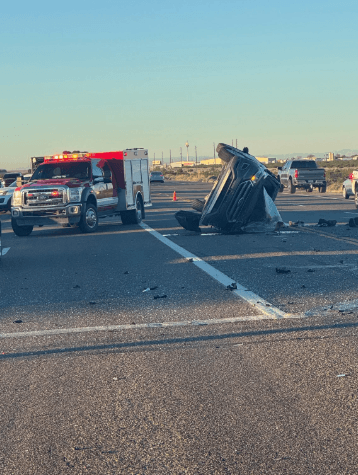
You might be driving a route you know by heart, heading to work, school, or home, and then in a second, everything changes. A serious crash does not just leave damage on the road. It can leave you dealing with pain, missed work, medical bills, insurance calls, and the need to speak with a car accident attorney, along with the uneasy feeling that even a normal drive no longer feels normal. If that sounds familiar, you are not overreacting. The stress after a major collision is real, and it tends to show up all at once.
When people talk about high-risk roadways in Yuma County, they are usually talking about more than one bad intersection or one reckless driver. They are talking about a mix of speed, rural roads, heavy traffic, impaired driving, and moments of inattention that turn ordinary trips into life-changing events. The short version is simple. Some roads carry a higher risk of severe motor vehicle collisions, and knowing why can help you protect yourself and understand what may have gone wrong after a crash.
Why do serious crashes happen more often on dangerous roads in Yuma County?
Some roads become high risk because of how they are built, how they are used, and who is driving on them at any given time. In Yuma County, that can mean long rural stretches, roads with higher speed limits, intersections with limited visibility, and areas where local traffic mixes with commercial vehicles and seasonal travel. Because of this tension, you might wonder whether the crash was just bad luck or part of a larger pattern. Often, it is both.
State and federal safety data show that speed, alcohol impairment, distraction, and failure to yield remain common factors in serious wrecks. Arizona publishes annual motor vehicle crash facts that help show where and how severe crashes occur across the state. Those numbers matter because they remind you that a wreck is rarely “random” in the legal sense. There is usually a chain of decisions, road conditions, and traffic patterns behind it.
Rural driving adds another layer. The National Highway Traffic Safety Administration explains that rural roads often see a higher risk of deadly crashes because of higher travel speeds, longer emergency response times, and roads that may have fewer safety features. If you have ever driven outside the more crowded parts of town, you already know how quickly a quiet road can become dangerous when one driver drifts, speeds, or misjudges a turn.
Then there is driver behavior. Arizona’s highway safety planning documents continue to focus on issues like impaired driving, occupant protection, and speeding because these remain major concerns statewide. The current Arizona Highway Safety Plan lays out those priorities in plain terms. So, where does that leave you after a serious wreck? It means the cause may be more layered than the police report first suggests.
What common causes turn a normal drive into a severe motor vehicle collision?
The most common causes are familiar, which is part of what makes them so frustrating. Speeding shortens reaction time and makes every impact harder. Distracted driving steals the few seconds a driver needs to brake or swerve. Drunk or drug-impaired driving affects judgment, balance, and timing. Fatigue can look a lot like impairment, especially on long rural routes. And failure to yield at intersections remains one of the clearest ways a routine trip becomes a violent crash.
There are also road-specific factors that matter. Poor lighting, narrow shoulders, sudden stops in traffic, agricultural or commercial vehicles entering the roadway, and unfamiliar drivers can all increase the odds of a serious wreck. A person may be following the rules and still get caught in a situation created by someone else’s careless choice. That is why serious roadway accident causes should be looked at closely, not brushed aside with a quick insurance explanation.
If you are hurt, these details matter for more than peace of mind. They can affect how fault is evaluated, what evidence should be preserved, and how your losses are documented. In many cases, a personal injury lawyer will want to review crash reports, photos, witness statements, medical records, and any signs that road design or driver conduct played a part.
How do the biggest crash risks compare when you are trying to understand what happened?
It helps to look at the main risk factors side by side. Not every crash has one single cause, and many severe collisions involve several of these at once.
| Risk Factor | Why It Raises Danger | What It Can Mean After a Crash |
|---|---|---|
| Speeding | Less time to react and more force at impact | More severe injuries and stronger evidence of negligence |
| Impaired driving | Poor judgment, delayed response, lane drifting | Possible criminal case alongside an injury claim |
| Distracted driving | Eyes and attention off the road even for a few seconds | Phone records or witness accounts may become important |
| Rural road conditions | Higher speeds, fewer lights, longer emergency response times | Crash severity may be worse even when traffic is lighter |
| Failure to yield | Creates side impact and intersection collisions | Fault may depend on signals, signs, and witness evidence |
This is why people often search for answers about dangerous roads and crash causes after a wreck. They are trying to understand not only what happened, but why the outcome was so severe.
What can you do right now if you were hurt on a high-risk roadway?
1. Get medical care and keep every record.
Even if you were seen at the scene or in an emergency room, follow up matters. Some injuries get worse over time, especially neck, back, and head injuries. Save discharge papers, test results, prescriptions, and receipts. These records help connect the crash to your injuries.
2. Preserve evidence before it disappears.
Photos of the vehicles, road layout, skid marks, debris, weather, and visible injuries can all help. If there were witnesses, try to keep their names and contact details. If the crash happened on one of the more high-traffic or rural routes, conditions may change quickly, and that makes early evidence especially useful.
3. Be careful with insurance statements and get legal guidance.
Insurance companies move fast, often before you know the full extent of your injuries. A recorded statement given too early can create problems later. If the collision involved severe injuries, disputed fault, or signs of reckless driving, speaking with a lawyer can help you understand your options before you feel pushed into a decision.
See also: Owner Compensation, Margin, and Reinvestment in Stone Shops
Where does that leave you after a serious crash?
A major collision can make life feel split into two parts, before the crash and after it. That is hard, and there is no clean way around that truth. But there is a path forward. When you understand the common causes behind severe crashes on risky roads, you are in a better position to protect your health, your claim, and your peace of mind. If you are trying to make sense of injuries from a serious wreck, reaching out to a personal injury lawyer can help you get clear answers and decide what to do next.